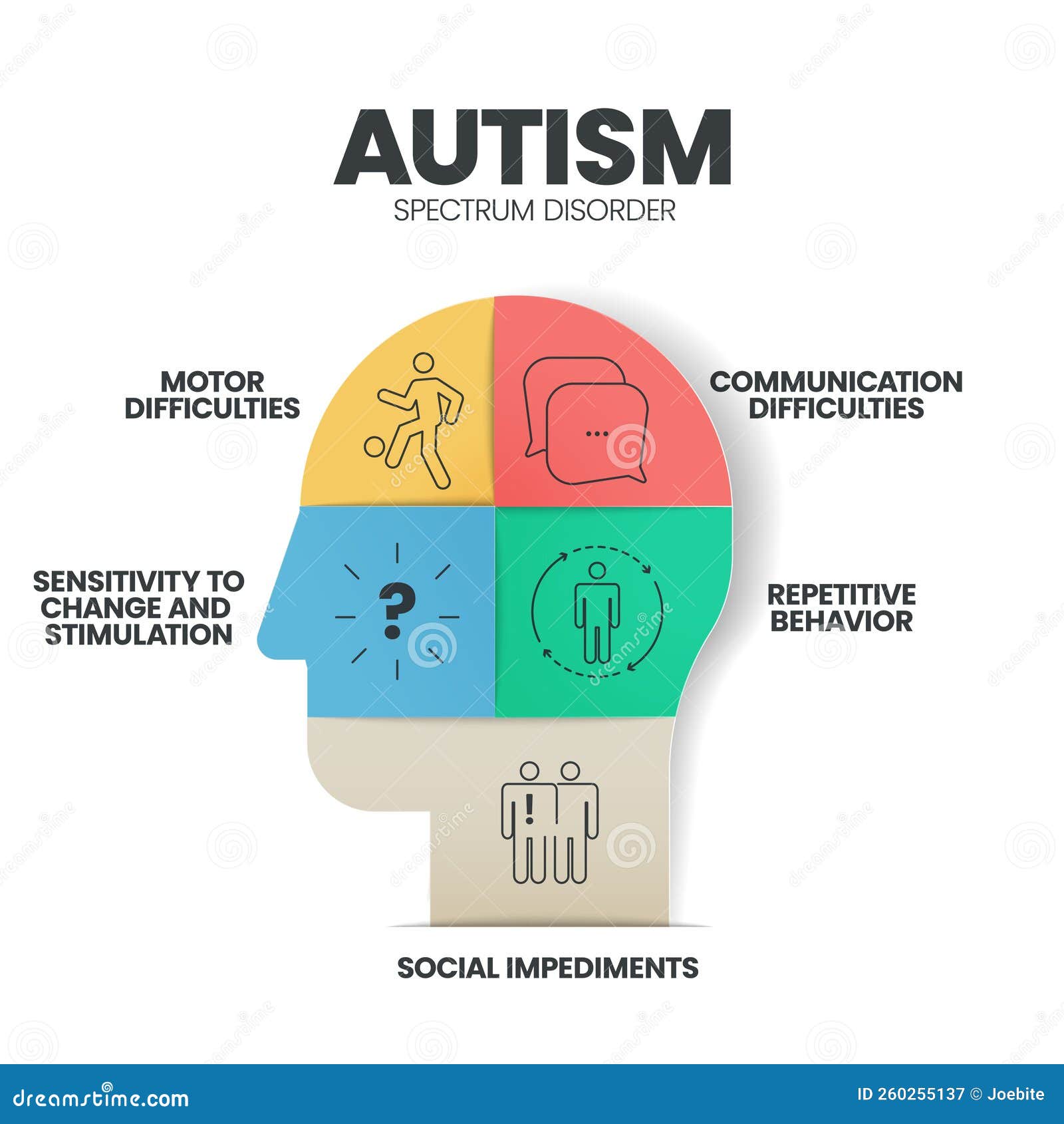
When most people think of autism, they picture a child in a classroom or a teenager navigating the social maze of high school. The reality, however, is that many adults live with autism without a clear diagnosis or a structured assessment. The adult autism assessment lack of standardized guidelines for adults means that clinicians often rely on a mix of intuition, borrowed tools, and a dash of improvisation—much like a chef trying to recreate a signature dish with only half the ingredients.
Why the gap matters: the adult autism assessment lack of standardized guidelines for adults in everyday life
Without a clear playbook, adults with autism may find themselves in a maze where every turn feels the same. The consequences ripple through healthcare, employment, and personal relationships.
The ripple effect on healthcare
- Misdiagnosis or delayed diagnosis can lead to untreated anxiety, depression, or sensory overload. Patients may receive treatments that address symptoms but not underlying neurodivergent traits. Primary care providers often lack the time or training to recognize autism in adults.
Impact on employment and social services
- Employers may overlook the strengths of autistic adults, such as attention to detail or pattern recognition. Social services may not provide tailored support, leading to isolation or financial hardship. Insurance coverage for specialized assessments is often inconsistent, leaving many without access to necessary care.
What makes adult assessment so tricky?
Adult autism assessment lack of standardized guidelines for adults is complicated by several factors that blur the lines between typical development and neurodivergence.
Developmental history vs adult presentation
Adults rarely have a documented developmental history that can be cross‑checked. A clinician might have to rely on retrospective accounts, which can be fuzzy or incomplete. This makes it harder to differentiate between lifelong traits and recent changes due to life stressors.
Co‑existing conditions muddy the waters
Many autistic adults also experience ADHD, anxiety disorders, or mood disorders. These overlapping symptoms can mask autism or be mistaken for it, creating a diagnostic conundrum. Think of it as trying to find a single song in a crowded radio station—every track overlaps, and the signal gets distorted.
Existing tools and their limits
Clinicians often turn to a handful of assessment instruments that were originally designed for children. While these tools provide a starting point, they are not a perfect fit for adult life.
- ADOS‑2 (Autism Diagnostic Observation Schedule) – Observational, but often requires adaptation for adult contexts. ADI‑R (Autism Diagnostic Interview‑Revised) – Structured interview that can be lengthy and may miss adult nuances. SRS‑2 (Social Responsiveness Scale‑Second Edition) – Self‑report measure that can be biased by self‑awareness levels. AQ (Autism Spectrum Quotient) – Quick screening but not diagnostic.
How clinicians adapt without a playbook
Clinicians often create hybrid protocols, combining elements from multiple tools with clinical judgment. They might add open‑ended questions about workplace challenges or sensory sensitivities. This improvisational approach can be effective but lacks consistency, leading to variable diagnostic outcomes.
Voices from the field
“Diagnosing autism in adults feels like trying to find a needle in a haystack that’s been turned into a fine‑grained sand,” says Dr. Maria Sanchez, a clinical psychologist who specializes in adult neurodiversity. Her words echo the sentiment of many practitioners who feel the pinch of insufficient guidance.
Anecdote of a patient
When I first met James—an engineer with a passion for trains—he told me he had “always felt like he was on a different train schedule.” He struggled with social cues at work, yet excelled at data modeling. Without a standardized adult assessment, James had to navigate a maze of misdiagnoses, including generalized anxiety disorder and obsessive‑compulsive disorder. It wasn’t until a multidisciplinary team used a tailored assessment that he finally received an accurate diagnosis, and his life shifted from “just coping” to “thriving.”

Bridging the gap: emerging initiatives
Despite the lack of standardized guidelines, several promising movements are underway to fill the void.
Research consortiums
- The National Institute of Mental Health (NIMH) is funding studies that aim to develop adult‑specific diagnostic criteria. The Autism Research Institute is collaborating with universities to create longitudinal studies tracking autistic adults over decades.
Training programs for clinicians
- The Autism Diagnostic Training Initiative offers workshops that teach clinicians how to adapt child‑based tools for adult assessment. Online modules focus on identifying sensory processing differences and executive function challenges in adults.
Practical steps for patients and families
If you’re navigating the adult autism assessment lack of standardized guidelines for adults, here are concrete actions you can take:
- Document early life experiences: Even vague memories can provide valuable context for clinicians. Seek a multidisciplinary team: A psychologist, occupational therapist, and medical doctor can offer complementary perspectives. Ask for a tailored assessment plan: Don’t hesitate to request that clinicians adapt existing tools to your life context. Advocate for insurance coverage: Provide documentation of how a comprehensive assessment will benefit your overall health. Connect with support groups: Peer insight can help you understand what to expect and how to interpret results.
A future in sight
The promise of consensus guidelines
Imagine a world where adult autism assessment follows a clear, evidence‑based protocol—much like a GPS that guides you https://blogfreely.net/marielquhj/autism-early-signs-in-toddlers-who-have-difficulty-with-sensory-processing to your destination without detours. Consensus guidelines would standardize terminology, streamline training, and improve diagnostic reliability across regions.
What we can do today
- Participate in research: Volunteer for studies that aim to develop adult‑specific criteria. Educate yourself: Stay informed about emerging tools and best practices. Speak up: Share your experiences with clinicians and policymakers to underscore the need for standardized guidelines.
The road ahead: making the assessment a priority
The adult autism assessment lack of standardized guidelines for adults is a challenge that sits at the intersection of clinical practice, research, and policy. It’s a puzzle that, once solved, could transform countless lives. The first piece is awareness—recognizing that the current lack of standardized guidelines is not a sign of indifference but of an evolving field. The next piece is action—advocating for research, supporting training, and seeking comprehensive, individualized assessments.
So, if you’re an adult who suspects autism or a family member looking for clarity, remember that the journey might feel Perinatal complications like a long road, but each step brings you closer to a destination where your neurodiversity is understood, respected, and celebrated. The assessment is not just a box to check; it’s the key to unlocking a life that aligns with your authentic self.